by Joan Wagnon
July 15, 2026
The Healthy Kansans collection is nearing completion. To date the collection contains 16 interviews or excerpts from other collections pertaining to Health – with a capital H – to distinguish Health from healthcare. The people interviewed to date were involved with the development and implementation of state health policy from the 1970s to the early decades of the 2000s.
A Recurring Theme
Kansas saw a decline in its standing in the American’s Health Rankings over the last 30 years. These interviews help us understand why Kansas fell from 8th healthiest in the Nation to 31st. Although there has been some improvement in recent years, Kansas is still in the bottom third of states. While specific measures of health in Kansas may have improved over that time, the progress we have made has not been as significant or as fast as in other states. The result is that our overall ranking has declined more than any other state over the last 30 years.
The Interviewees
Legislators – Susan Concannon, Brenda Landwehr, Bob Tomlinson (excerpt), Jim Denning (excerpt)
Hospital Administrators or Lobbyists – Benjamin Anderson, Tom Bell, Maynard Oliverius, Bob Moser
Health Policy/Government officials – Gianfranco Pezzino, Sandy Praeger, Kathleen Sebelius, Kari Bruffett, Bob Moser
Community Leaders – Ed O’Malley, David Jordan, Matt All, Kim Moore, Jill Docking (excerpt)
Physicians and Nurses – Cynthia Hornberger, Bob Moser, Walt Menninger, Gianfranco Pezzino, Bob St. Peter
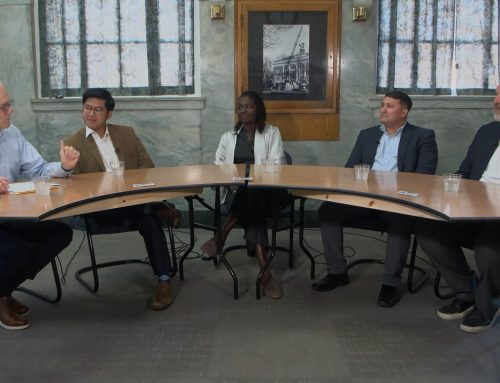
We plan to finish with a group interview of community leaders in Garden City. Interviews with Dr. Walt Menninger and foundation leaders Ed O’Malley and David Jordan will be available on KsOralHistory.org soon.
What Did We Learn?
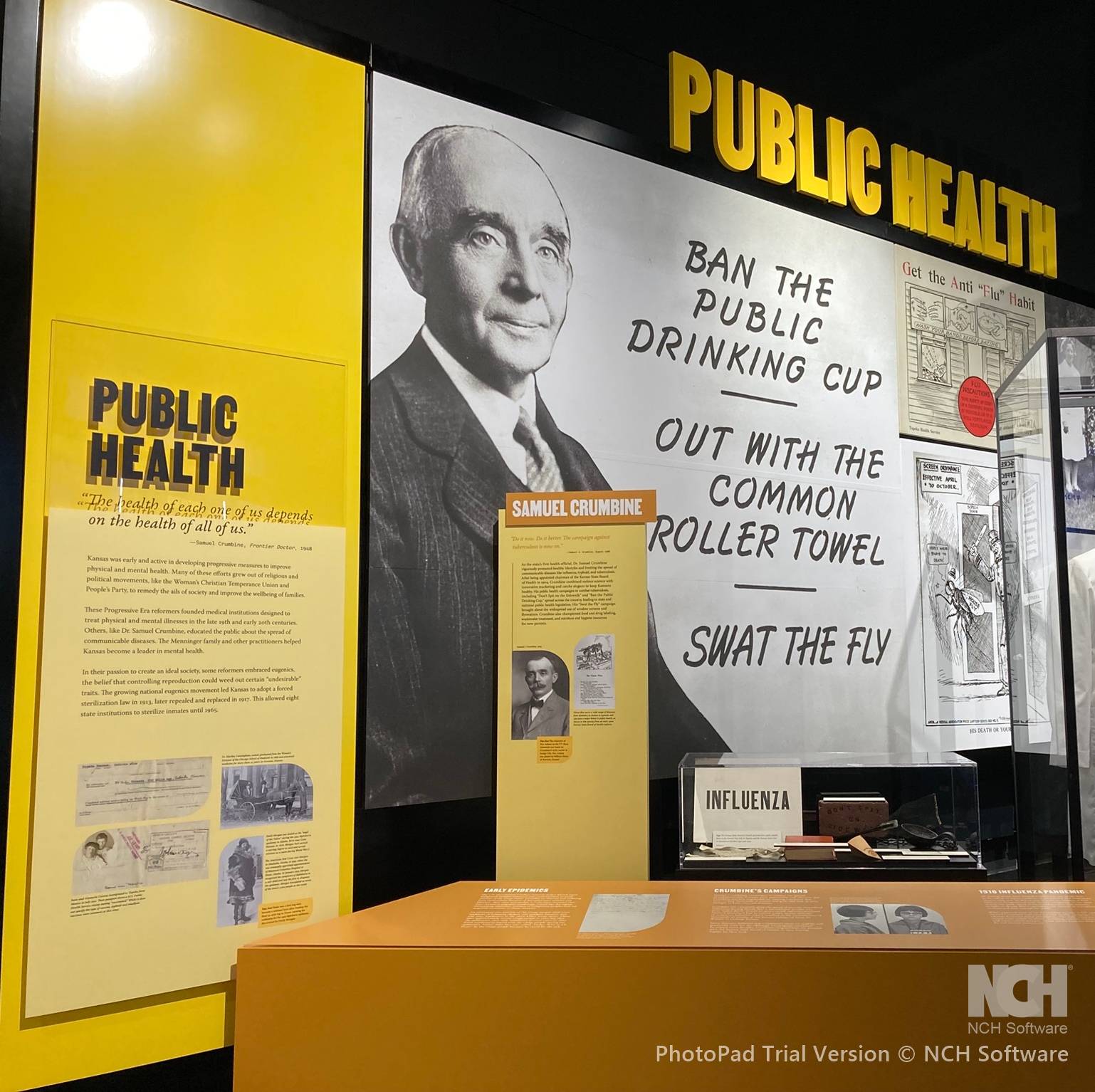
- Health is dependent on more than just good healthcare – it is impacted by nutrition, social conditions, poverty, even the zip code where you live. The social determinants of health must be considered by policymakers if they wish to improve the Health of Kansans. Paying more attention to public health efforts could raise the state-by-state rankings.
- It would be easy to explain away the decline in health rankings by attributing it to the failure of the legislature to expand Medicaid. That is probably one of the factors, but not the only one. “Politics” was often cited by interviewees as one of the reasons that Medicaid Expansion failed.
- Rural hospitals and healthcare in rural areas was explored. The creativity shown by Benjamin Anderson and Bob Moser in bringing services to western Kansas hospitals is a model for other rural states. Transportation issues and workforce shortages magnify the problems of sparsely populated areas. There is a new Rural Health Transformation Grant initiative that shows some promise.
- Overall, Kansas is lacking in dental care options for low-income families and mental health services, especially for young children and youth. The United Methodist Health Ministry Fund has been a leader in stimulating improved access to dental care in underserved areas. Wichita has started programs that may help in the mental health area. Fulfilling these needs will require funding and an intense effort to increase the number of psychiatrists and other mental health professionals since Topeka no longer has Menninger as a training facility.
- Using the county health rankings might be a good way to stimulate discussion among legislators and community leaders about improving Health.
Thanks
To David Jordan and the United Methodist Health Ministries Fund for funding the project, which has allowed for the transcription of the interviews, travel across the state and extra staff time to process a collection of this size – THANK YOU!
To Dr. Bob St. Peter, from whom all of us have learned much about public Health, thank you for the countless hours you put into researching and interviewing our subjects. The work product is superb and we are very grateful to you!
To David Heinemann, our volunteer videographer, who has expertly captured the interviews and cheerfully driven us across Kansas. Thank you!