
Search Results

Frank Carlson Study Guide
Frank Carlson, Kansas Native Son, former state legislator, Congressman, Governor, and U.S. Senator was the subject of an interview with Eunice Rolfs, his daughter, in order to gain information about her father and the times in which he lived. There is a study guide attached that is based on the interview transcript and other materials provided by the Carlson Library in Concordia, KS. The material is intended for use in middle school Kansas History classes.

Flint Hills — A Unique Area
The Flint Hills form one of 11 physiographic regions in Kansas. The combination of topography, climate, and human activity have made part of the region one of the last remaining expanses of tallgrass prairie in the world. In excerpts from separate oral history interviews of two former Kansas Governors, you hear how a unique approach was implemented to prevent windfarm development in a portion of the Flint Hills to protect the tallgrass prairie. Governor Sebelius adopted the initial policy with a moratorium on windfarm development in a section of the Show MoreFlint Hills in 2004. As described in his oral history interview, Governor Brownback expanded the original area and renewed the protection. In 2020 Governor Laura Kelly continued the protection of the "Tallgrass Heartland." Show Less

Kansas Oil and Gas Fields
Oil and gas resources are not found everywhere in the state, but at least some production has occurred in most counties, as the map here shows. John O. Farmer III whose company is located in Russell described in his 2023 interview his company's exploration and production activities in the area around Russell. When Roger McCoy was interviewed in 2024 for the oral history project, he described becoming interested in geology almost by accident in the 1950s. He also recalled working in the southcentral and southwest part of Kansas where both oil and gas are found.
What Do Lobbyists Do?
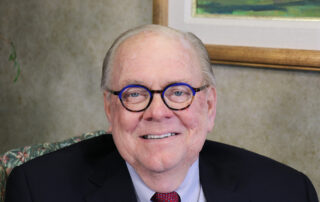
This 13 minute portion of an oral history interview with experienced lobbyist Pat Hubbell focuses on how he became a lobbyist, first for Kansas Beer Wholesalers and then several railroads. He stresses the importance of his work to "save" the railroads from financial collapse and pass the 4-R Act which changed the way they were regulated federally and at the state level. His description of the hospitality rooms at the Jayhawk hotel shows the contrast with how lobbying worked in the 1970's and today. The entire interview can be found on this website at Statehouse Conversations.
Why Railroads Are Important to Kansas
The railroad industry was in danger of collapsing in the 1970's because some lines, such as the Rock Island, Penn Central and others were in bankruptcy. Kansas agriculture would be harmed without rail service to ship its products to market. Kansas Senators Dole and Pearson, later joined by Kansas Rep. Jim Slattery and Senator Nancy Landon Kassebaum worked to create a method of deregulation in the form of the 4-R Act.
Pat Hubbell, a lobbyist with the railroad industry described in this 17 minute excerpt from his 2025 Show Moreoral history interview how "he was on a mission" to save the industry because of its importance and the need to transport Kansas coal and agricultural products. He recalls passenger trains of the past that have disappeared and mergers that left Kansas at the time of this interview with only two major railroads, the Union Pacific and the Burlington Northern Santa Fe.
The Study Guide that is attached raises questions for students to consider. Show Less
Lessons in Leadership from Kansas Leaders
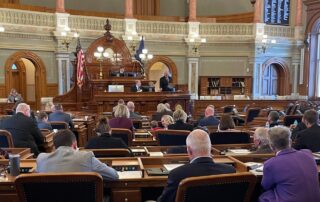
Interesting short clips from oral history interviews that address various aspects of leadership from public officials in Kansas.
Leadership Challenges