History is necessary for making sense of the present. We need it for identity, as a way of understanding our personal past, to understand how we are connected to each other, and what our ancestors experienced. Nations use history as the basis for law and government. History is a record of the written word, telling us what was recorded on a given day but not why, or how. Oral history fills in the gaps by focusing attention on people’s memories and lived experiences. History is part of the larger package of social studies needed for active civic engagement.
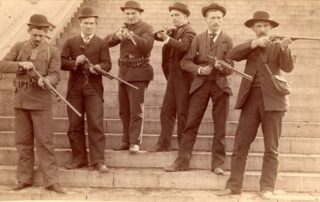
The Legislative War of 1893
After 30 years of Republican Party domination in Kansas, the Populist Party was swept into office in the 1892 election. In addition to controlling the state Senate, Populists managed to place a Governor in the Statehouse and win five congressional seats. Both the Populists and the Republicans claimed control of the House, the Populists asserting that the Republican elections were illegal. Rather than compromise, the floor leaders of each party called the House to order--in the same room. The Republicans passed a resolution accusing the Clerk of the Populist House of disturbing the peace. The Show MoreSergeant-at- Arms arrested the clerk, thus starting the "legislative war." Both parties enlisted sergeants-at-arms and guards and the Governor called the militia. On February 15, 1893 the Republicans marched to the Statehouse and smashed the locked doors. Armed hostilities continued for two days. On February 25th, 1893 the Kansas Supreme Court held that the Republican House was the legal body and the conflict ended. Show Less